
Are you a lover of sunny weather, like us, and take every cloud-free day opportunity to get outside and enjoy those glorious warm rays? We really don’t blame you. It’s those beautiful clear days when the day is bright, the water is cool, everyone’s smiling and relaxing and cooking up a barbie of delicious snacks surrounded by family and friends.
Summer is everyone’s favourite season and we couldn’t scream a louder resounding “YES” if we could!
But just like with everything fun, there are some risk factors. Including the risk of not protecting our skin as much as we should, and speeding up the ageing process as a consequence.
“Did you bring some sunscreen?” someone may ask you and you pause for split second only to shrug and reply with, “Nah, I completely forgot. We were in a major rush getting out of the house and getting the kids in their cossies that it had completely slipped our minds.” Sounds all to familiar doesn’t it?
“Don’t worry,” your friend says reaching into their bag and pulling out a tube, handing it to you with an understanding smile, “I’ve got you.” You take the tube with a little guilt but also grateful that you’ve surrounded yourself with people who don’t hold any judgement because they know how stressful life can be sometimes.
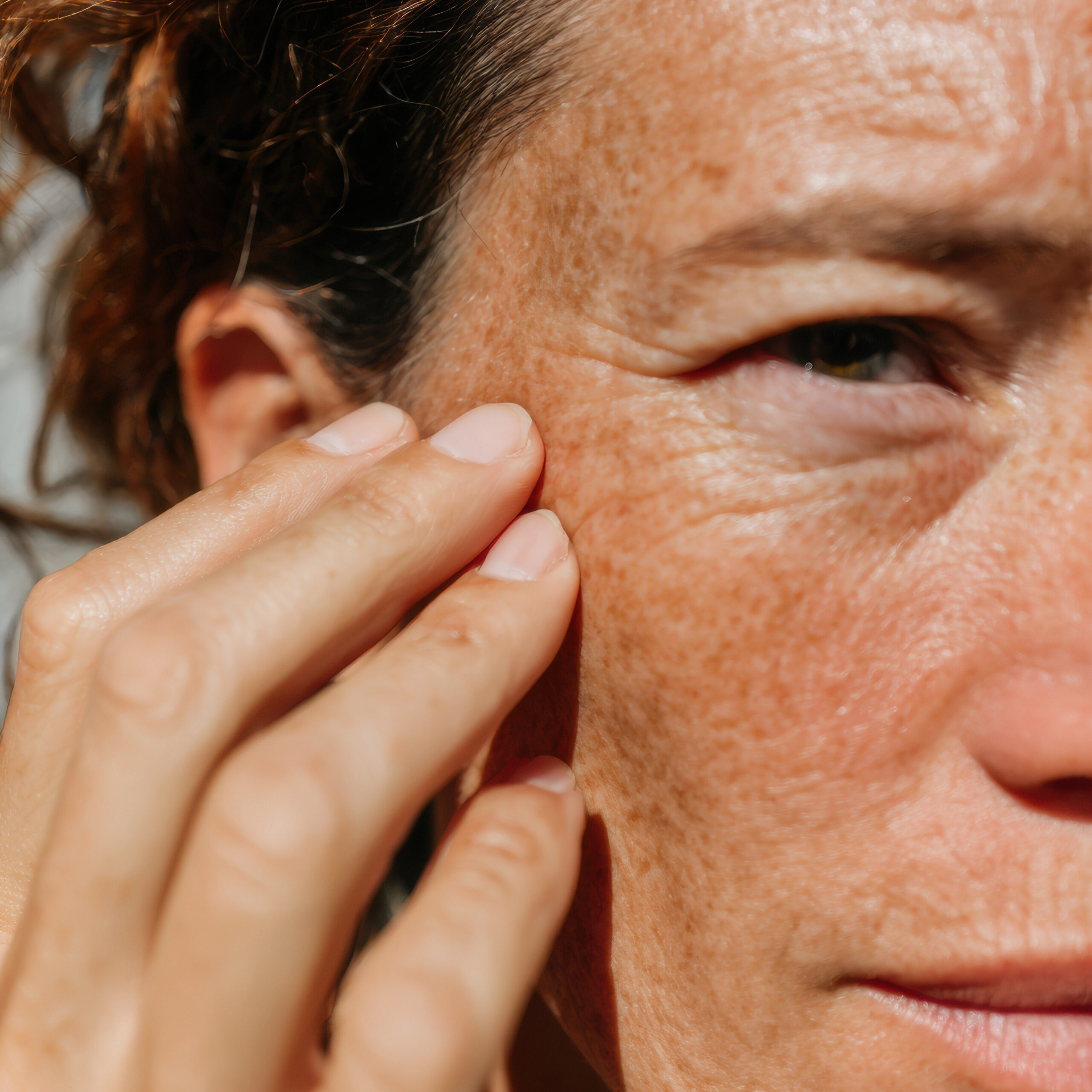
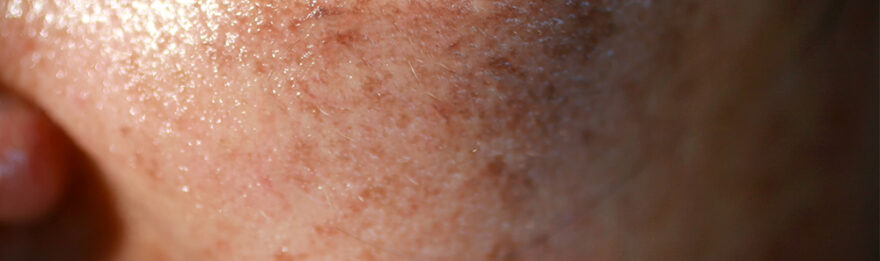
Pigmentation and melasma are one of those skin conditions we automatically believe just comes with age, no matter how much sun exposure we get without sun protection. Unfortunately, it’s more common than most assume, also known as ‘chloasma’, and is caused by excessive melanin (the natural protein in cells that give colour to skin, hair and eyes).
These ageing spots (also known as “sun spots”) are usually characterized by dark brown patches on the face; mostly appearing on the cheeks, upper lip, forehead, chin and sometimes on the bridge of the nose. But it’s not excluded to only those areas. It can show up on any part of your body that receives frequent sun exposure. Affecting mostly women, ageing spots don’t form from sun exposure alone, but is teamed up with hormonal changes, prominently forming during pregnancy.
The question is, “Can pigmentation be treated?”
Treatments addressing pigmentation
Absolutely it can!
We’ve equipped ourselves with multiple treatments that can address pigmentation depending on how deep or superficial the ageing spots are.
Before we jump the gun and perform any treatment on your gorgeous skin, we do a thorough skin consultation to see what may be triggering your pigmentation/melasma in the first place. It could be hormonal imbalances that could make the multiple treatments null and void! We also perform a test patch in case your skin responds negatively to the treatment and does the exact opposite of what we intend and expect.
We also want to keep your ideals and expectations realistic. It can take years to develop stubborn pigmentation, especially when it’s rooted deep within the dermis. Meaning, it will take more than one treatment before seeing results.
Skin correction takes consistency, not a single session.
Cutera’s Limelight IPL Treatment
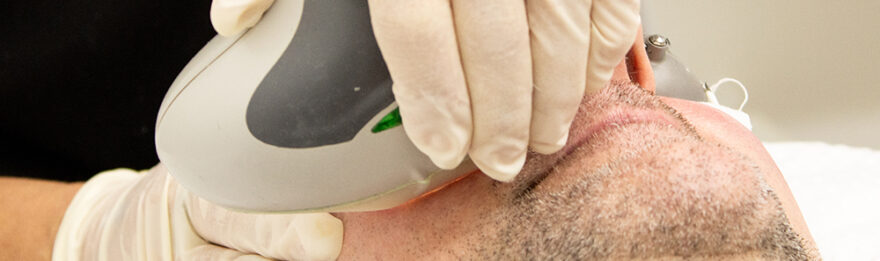
Cutera’s Limelight is a form of Intense Pulsed Light (IPL), not a laser, and specifically targets melanin pigment clusters using a filtered, broad spectrum of light frequencies. The light energy is absorbed into the pigmented lesions and is converted into heat, causing the melanin to break apart and surface to the upper dermis. Your immune system then naturally eliminates the damaged cells through cellular turnover.
Limelight is best for treating superficial pigmentation and not hormonal melasma. Since melasma is heat sensitive, the IPL generates heat within the skin, triggering melanocytes and potentially worsening melasma.
Cutera Laser Genesis
One of our most popular treatments to address hyperpigmentation, redness, uneven tone, and early melasma. By gently heating the dermis, the laser reduces excess melanin activity while stimulating collagen, promoting cellular turnover to reduce pigmentation clusters, achieving a more even skin tone. This is an ideal treatment for melasma-prone skin because it’s not as aggressive as the Limelight IPL treatment.
Q-Switch Laser (Laser Toning)
Our skin clinicians favourite treatments when treating stubborn, deep pigmentation, and melasma! When performed correctly, the Q-Switch Laser delivers ultra-short pulses that fragment the melanin pigment clusters without overheating the skin, and therefore, not triggering the production of melanocytes. Just like Limelight IPL, it breaks the pigment into tiny particles, surfacing to the upper dermis and removed through the natural process of cellular turnover. Best part? It brightens the skin over multiple treatments!
What products should you use to avoid and treat pigmentation?
Obviously we suggest any skincare system that includes an SPF 30 or above. Prevention is the best medicine, as they say. The more you can avoid pigmentation by applying sun protection, the more you’ll save on money, stress, and skin conditions that could become dangerous in the future.
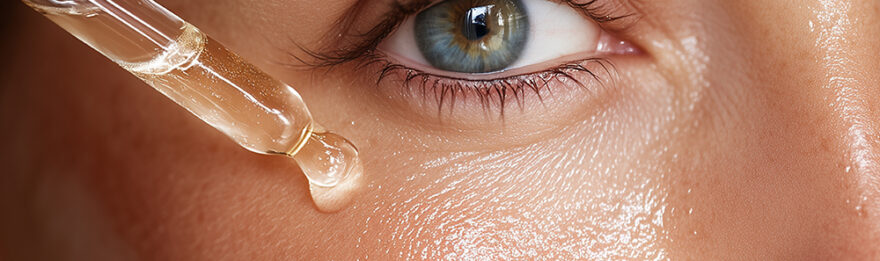
Instead of naming specific products, we will mention specific ingredients in skincare products that help with pigmentation.
Niacinamide -Blocks tyrosinase, the key enzyme needed to produce melanin.
Retinoids – Speeds up skin cell turnover, helps disperse existing pigment, and regulates melanocyte activity over time.
Chemical exfoliants (Glycolic/Salicylic/Lactic Acid) – breaks down dead, pigmented skin cells, improves penetration of active ingredients (Avoid over exfoliating outside the frequency prescribed/suggested by our skin clinicians).
Vitamin C – An antioxidant that neutralises free radicals (that trigger melanocytes), supports collagen.
Barrier Repair ingredients (Ceramides, Fatty acids, cholesterol) – reduces inflammation triggers, stabilises melanocyte activity, improves tolerance to actives.

When should you begin?
We are excited to begin this journey with you to achieving clearer, healthy skin! Our suggestion before venturing into reducing pigmentation spots is to start the process at the beginning of winter where your exposed to the sun the least within the year. This guarantees promising results because your skin won’t be traumatised by the hotter days produced in summer.
The less sunlight and warmer climate, the better, when treating pigmentation. As we mentioned earlier in the article, heat and sunlight are biggest culprits to our skin triggering production of melanocytes that create clusters of melanin pigments.
Speak to one of our professional skin clinicians for more information and to see if one of these suggested treatments will work best for your skin!