
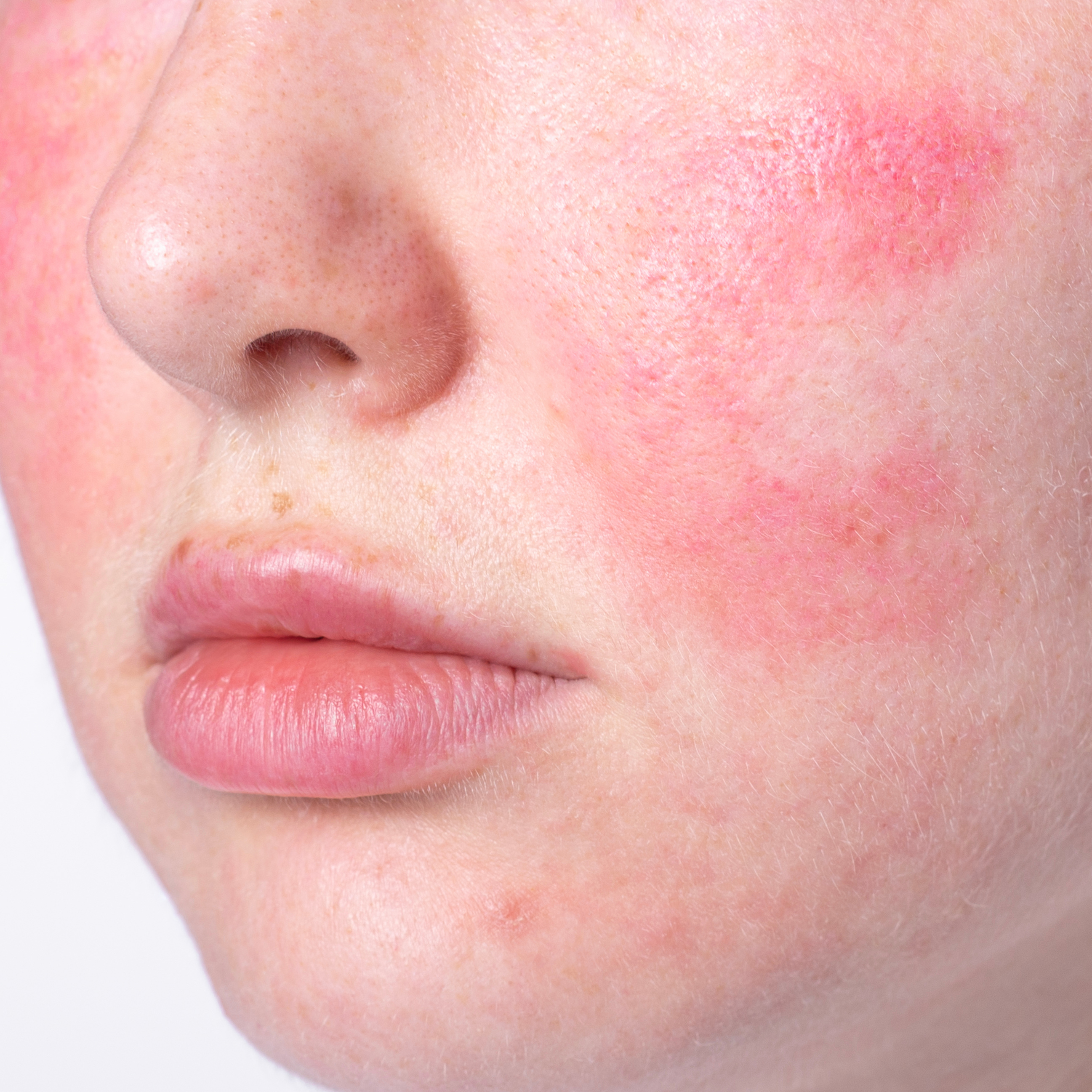
Winter can be quite harsh sometimes.
Even though we are spending majority of our time indoors, out of the sun, out of the wind, and out of the cold, there will be times when you just take a quick step outside for a breath of fresh air, and the dramatic change in temperature, from a warm cosy heated room to a crisp chill, can trigger a rosacea flare-up.
It can feel quite embarrassing experiencing a flare-up when you’re not entirely sure what caused it in the first place! And you may not have even noticed your skin is having an episode until someone playfully asks, “Are you embarrassed about something?” And you stand there puzzled for a few seconds until you realise your face must be bright red!
We want to help point you in the right direction of how to best manage rosacea to reduce flare-ups this winter. But first, let’s discuss what is rosacea and what causes flare-ups.
What is Rosacea and what triggers flare-ups?
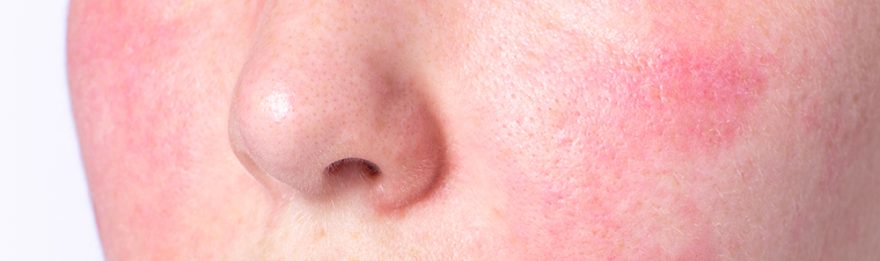
Rosacea is a chronic inflammatory skin condition where the skin flushes too easily and develops when the skin becomes over-reactive, especially around the blood vessels, immune system, nerves, and skin barrier.
It’s mostly commonly portrayed to just be flushing of the face with the tiny blood vessels within the skin dilating too quickly and too often. But it can also include: visible capillaries, bumps, pustules, stinging, dryness, and/or irritation.
These are the five main things you may experience during a rosacea flare-up:
- Blood vessels become overreactive:
Sun exposure, heat, alcohol, spicy foods, stress, or exercise can cause the vascular system to overreact within rosacea-prone skin. Instead of the skin calming down quickly, the redness can linger.
- The immune system overreacts:
Normal triggers can be perceived as threats, creating inflammation, which can lead to redness, swelling, bumps, and pustules. - The skin barrier becomes weaker:
When the barrier is impaired, the skin loses water more easily and becomes more reactive. This can cause stinging, burning, dryness, rough texture, and sensitivity to skincare products. - Nerves in the skin become hypersensitive:
The skin can feel hot, prickly, stingy, or irritated even from mild triggers like wind, hot showers, active skincare, or temperature changes. - Microbes may play a role:
Rosacea has been linked with higher levels of Demodex mites on the skin in some people. These mites naturally live on human skin, but in rosacea-prone skin they may contribute to immune activation and inflammation.
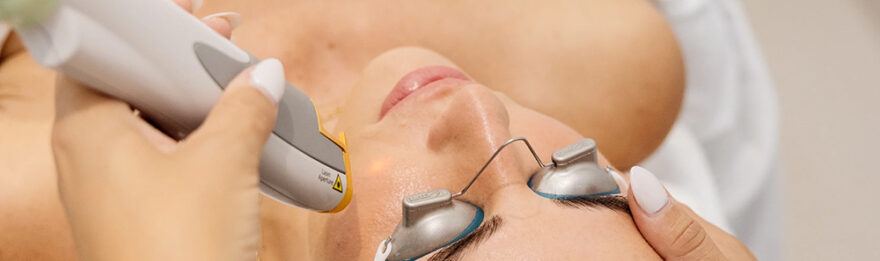
How do we treat Rosacea-prone skin?
Now that we understand what rosacea is and what can trigger a flare-up, let’s take you through our process of treating your rosacea-prone skin.
Note: We just want to point out that not everyone’s process of treating their condition, will be the exact same as this example. Depending on the severity of your condition and what your triggers are, it may affect the amount of treatments you will need as well as some specific treatments you may need to completely avoid to not make your rosacea-prone skin worse than it currently is.
Algae Facial Mask
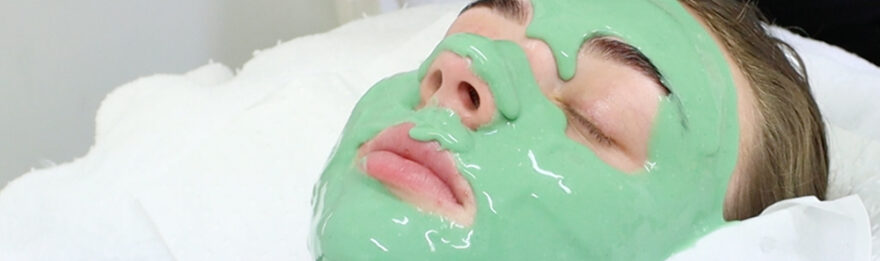
Firstly, we need to strengthen the skin’s barrier before exposing it to acute trauma with laser treatments. We like to combine both modalities of Dermaviduals Algae Facial Mask and LED Light Therapy to work together to building your skin’s barrier resilience.
The ingredients in the Dermaviduals Algae Facial Mask mimic the skin’s natural lipid bilayer, allowing them to integrate seamlessly with the skin. Ceramides, cholesterol, and free fatty acids replenish the skin’s natural lipids. These enhance the skin’s hydration and reduce transepidermal water loss which are crucial for rosacea sufferers.
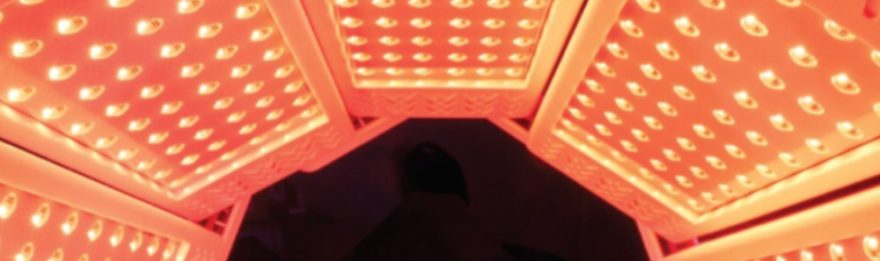
LED Light Therapy
A combination of red, near infrared, and yellow/amber light, all help to reduce chronic inflammation in rosacea-prone skin. It stimulates production of collagen and elastin proteins, encourages cell regeneration, and promotes oxygenation and detoxification of skin tissues.
With each client having customisable serums and anti-inflammatory components depending on skin type and reactivity, combined with LED Light therapy, these components reduce redness and irritation, as well as promoting healing and reduce sensitivity, giving the barrier time to repair itself.
As the skin barrier strengthens, it will retain moisture more efficiently, become less reactive to environmental triggers, and become more resilient against flare-ups.
Cutera Laser Genesis
Once the skin barrier has improved, the next phase is undergoing Cutera Laser Genesis treatments. The procedure gently heats the upper dermis, targeting dilated capillaries and blood vessels. Over time, these vessels fade, and it reduces the overall facial redness without damaging surrounding skin.
The acute stress of the heat from Laser Genesis stimulates collagen and elastin production and reduces diffuse redness. The warmth also provides a calming effect on inflamed skin.
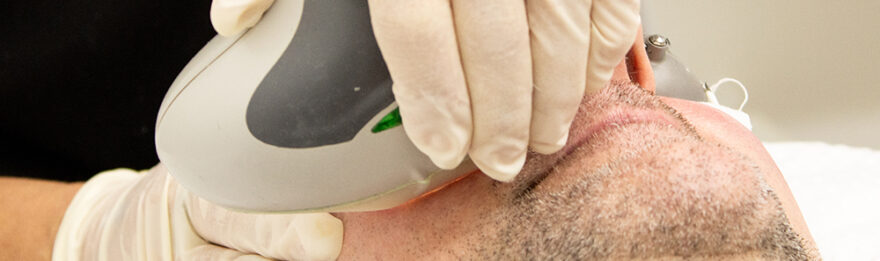
Cutera Laser Limelight IPL
The next phase includes carefully utilising controlled pulses of broad-spectrum light to target redness and capillaries with Cutera Laser Limelight IPL (Intense Pulse Light) . The light energy is absorbed by oxyhemoglobin in red blood cells. This helps to break down visible capillaries and reduce redness by collapsing blood vessels and are reabsorbed naturally by the body. By eliminating these damaged blood vessels, it reduces chronic inflammation, making those stubborn rosacea flare-ups not so prominent.

Procell Microchanneling
One final treatment we may administer is Procell Microchanneling. It’s a little bit intrusive as it creates micro channels into the skin with tiny needles, and is more effective after we’ve built your skin barrier up with our previous mentioned treatments.
Because Procell creates micro channels, it gently prompts cellular renewal and stimulates collagen production. This promotes further strengthening of the skin barrier by thickening the skin, which creates resilience and reduces sensitivity to external triggers. The micro channels also create passageways for stem-cell derived serums to penetrate deep within the skin; soothing irritation and calming inflammation.
Over a period of multiple sessions within your skin program, you’ll find a reduction in chronic erythema, dryness, bumps, and swelling.
These several modalities will help you manage your rosacea throughout the year, allowing you to feel confident, and less embarrassed, in your skin. They require minimal downtime and minimally intrusive.
What skin products should I avoid?
We want to avoid using aggressive products and ingredients that can trigger irritant responses within the skin.
Avoid using: fragances and perfumes containing strong levels of alcohol; Essential oils such as peppermint, eucalyptus, and camphor; physical scrubs for exfoliation, as well as strong exfoliating acids; high-strength retinoids, harsh vitamin C formulas (especially L-ascorbic acid); astringent toners; at-home peels; over-cleaning; and topica steroids unless presribed (these can cause or worsen rosacea symptoms when misused.
What skin products should I use?
But, what products should you use to best manage rosacea skin conditions?
Again, we always suggest coming in for a thorough skin analysis before following any advice you find online, because there may be specific ingredients in skincare products that trigger flare-ups that you might be unaware of.
Cleanser
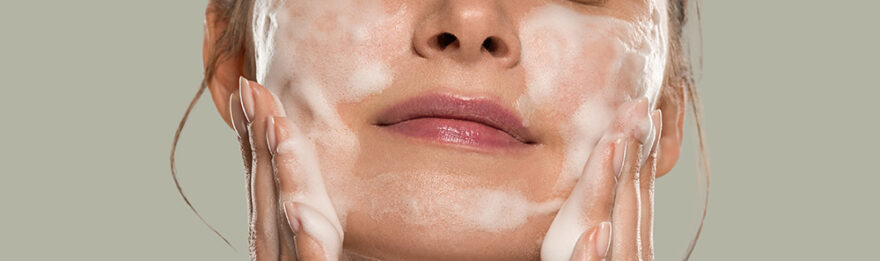
Always use a gentle cleanser as your first step! No exfoliation attributes and avoid harsh scrubs and soap-based cleansers. These will strip the skin and compromise the skin barrier! The exact opposite of what we want to occur.
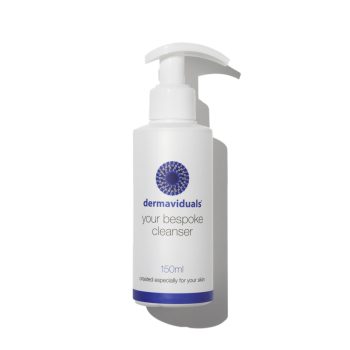
Our suggestion:
Dermaviduals Bespoke Custom Cleanser
150ml
(Available in clinic)
Serum
Next, is a calming serum to help reduce inflammation, soothe irritation, and boost hydration by communicating to the cells to hold water. Ingredients to look out for are: Niacinamide (some rosacea skins react to high percentages!), Panthenol, Green tea, Allantonin, Beta-glucan.
Our suggestion:
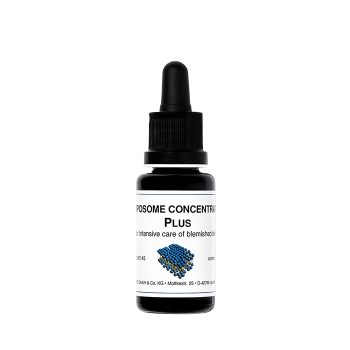
Dermaviduals Liposome Concentrate Plus
20ml
(Available in clinic)
Moisturiser
Barrier-repair moisturisers are vitally important for rosacea. You want to find a moisturiser that contains these (not all) ingredients: Ceramides, Glycerin, Hyaluronic Acid, Panthenol, Squalene, Niacinamide, Aloe Vera. They help reduce dryness, stinging, tightness, and sensitivity, as it hydrates, restores essential lipids, and makes rosacea-prone skin feel more comfortable.
Our suggestion:
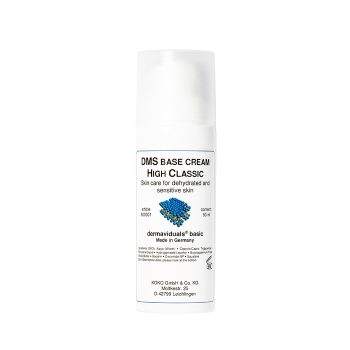
Dermaviduals Custom DMS Base Cream High Classic Plus
50ml
(Available in clinic)
Mineral SPF30-50+
Lastly, you want to include a mineral sunscreen with zinc oxide and/or titanium dioxide, as it offers a broad spectrum of protection from UV rays. Mineral sunscreens are often tolerated better with rosacea-prone skin because it sits on top of the skin, rather than being absorbed by the skin like most chemical sunscreens, causing inflammation from within.
Our suggestion:
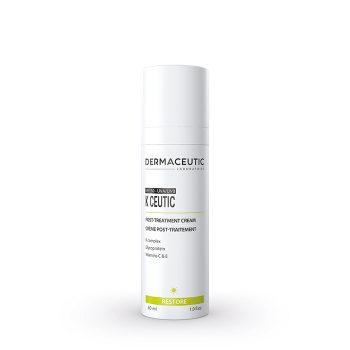
Dermaceutic K Ceutic Cream SPF50
30ml
RRP – $88
We hope this article has provided a lot of valuable information to help you understand your rosacea-prone skin, and it has set you on the right path to helping manage and reduce your rosacea flare-ups.
We understand how frustrating and demotivating it can be when experiencing a flare-up and feeling hopeless of what to do to improve it.
You are not alone, and nor do you have to face it alone.
We hope to see you soon!