
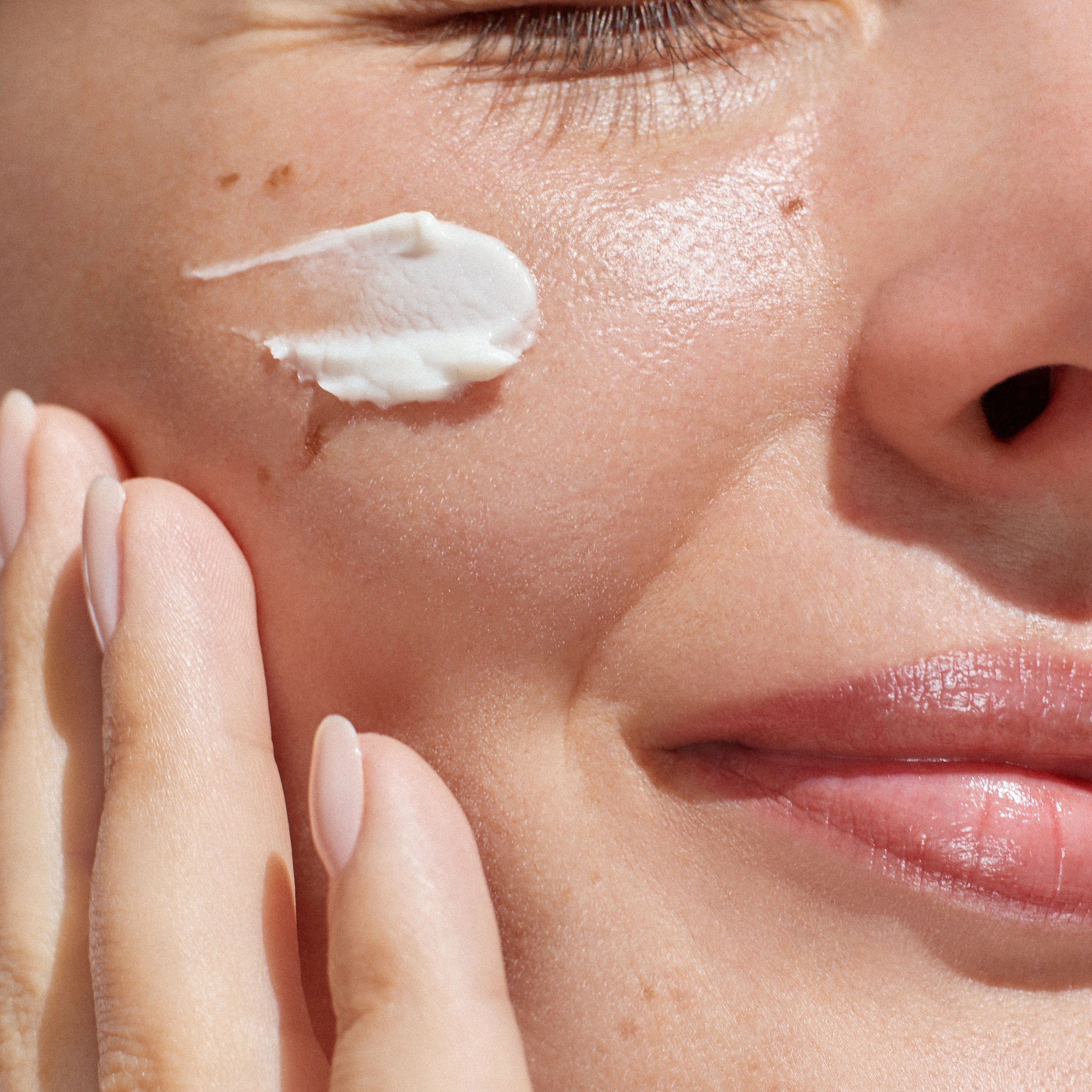
It is part of Australian culture to bask in the rays of the glorious sun that gives our country it’s sunburnt reputation. Even in our winter months, chances are high that you’ll find some people still wearing a short sleeve tee, shorts, and thongs.
No matter the time of year, our surfers will be found along the coastline riding the waves from sunrise to sunset, hikers climbing the escarpments, and sports being played on our well-groomed fields with parents cheering their young athletes on the sidelines!
We, literally, love to be in the sun all year round.
Unfortunately, we neglect of how being exposed for long durations can affect our skin!
Most don’t realise that their current skin conditions and concerns may be alleviated if they were more conscious of how much time their skin exposed to UV rays.
So, let’s have a look at how much excessive sun exposure can have a negative effect on our skin.
What damage/skin conditions can result from excessive sun exposure?
Excessive sun exposure can compromise the skin’s barrier, the protection layer shielding your deeper layers within the dermis. A weak skin barrier can result to more complex skin conditions that require multiple modalities for correction.
Below are some skin conditions that UV damage can instigate if not addressed early or at all:
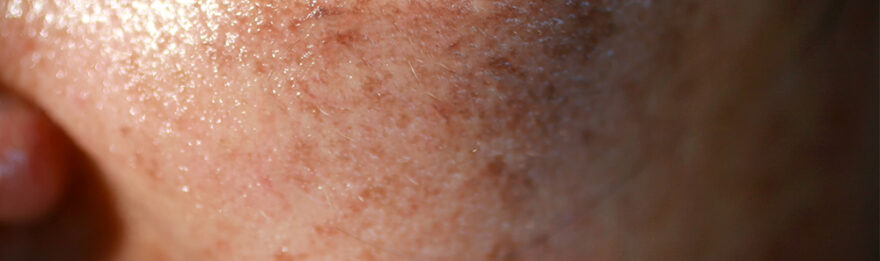
Pigmentation/Hyperpigmentation and Melasma – Naturally, our skin defends itself when exposed to UV rays by producing more melanin, a brown pigment that helps absorb and scatter UV light to protect the skin from further damage. Hence why we get glorious golden tans down here in Australia! But, if we don’t limit our sun exposure, or apply sun protection, the skin can become over traumatised and melanin production can become overactive or uneven, creating pigment clusters and this is the result of sun spots, freckles, melasma-like patches, and uneven skin tone.
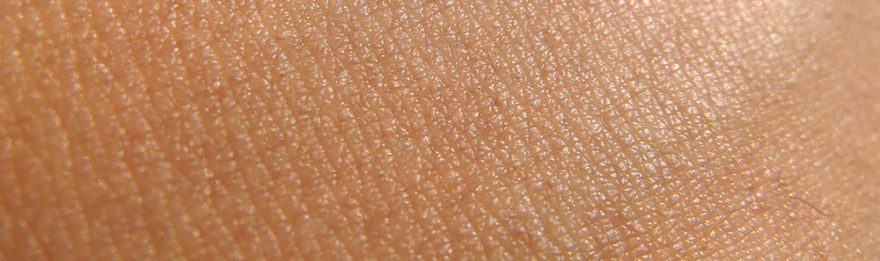
Dull skin tone – Multiple skin conditions caused by sun damage can make the skin appear dull and lack lustre. If one or more of these concerns arise from sun damage, the skin can look flat, tired, and aged, resulting in a dull complexion that begs to be brought back to life! Light just doesn’t reflect evenly off the skin surface when one, or more, of these skin concerns are present.
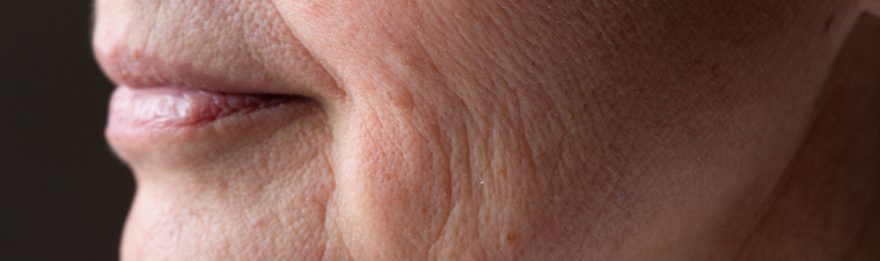
Wrinkles, fine lines, sagging skin, and rough texture – Excessive sun exposure can compromise the skin by breaking down the integrity of the collagen and elastin fibres. It also hinders the skin from producing efficient collagen and elastin to compensate for what was lost when the skin was first traumatised. When collagen and elastin break down, it’s like breaking down the pillars within the skin, forcing then the skin to collapse, creating crevices, rough surface textures, or cause “solar elastosis” (sagging skin).
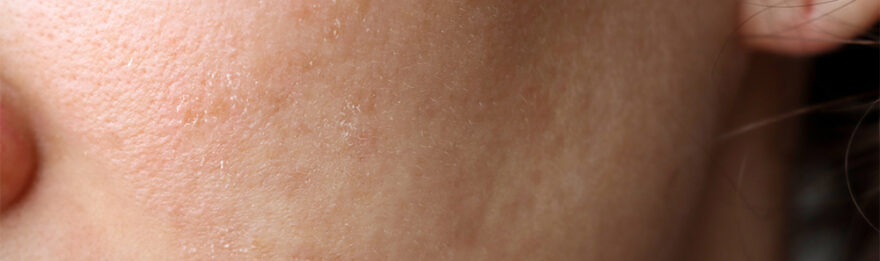
Dehydrated skin – As we mentioned above, when the skin barrier is damaged by UV rays, the skin reduces its ability to hold and retain moisture, causing the skin cells to become dehydrated, and compromise its integrity to hold the skin up as well as defend it from further damage.
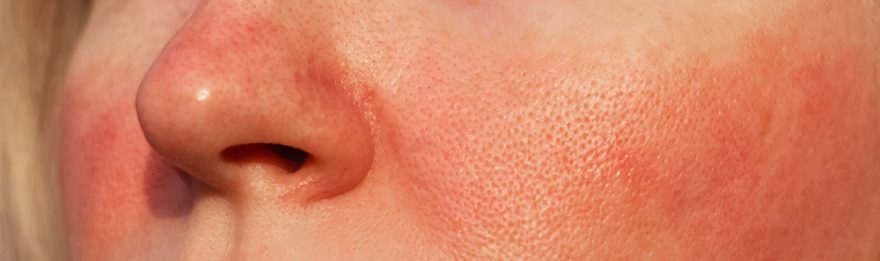
Inflammation and Irritation from sun burn – Inflammation expressed with redness and irritation can indicate skin barrier damage and an urgent cry for help! When inflammation occurs, it is asking for assistance in repairing the damaged skin and soothing the traumatised cells. If not addressed early, the inflammation can increase over the surface of the skin and can harm the deeper layers of the dermis, causing more future concerns and conditions that are more difficult to manage.
What can be done about it?
Firstly, we always request an in-depth one hour consultation that inspects all areas of your life that may be contributing to your skin condition, not just sun exposure. But if we can even address how you can improve sun protection, we are heading in the right direction to helping you achieve beautiful, healthy, glowing skin!
Depending on the skin conditions resulting from sun damage, we advise specific skin treatments and skin care products within your skin plan that build upon one another to: firstly, reduce inflammation and irritation, secondly, build up the compromised skin barrier, and thirdly, provide more invasive treatments that can get to the core of the conditions deep within the dermis.
Treatments will range from topical procedures that allow the skin to absorb nutrients from the surface, to laser procedures that use specific light frequencies to subtly traumatise the skin to respond effectively, and then procedures that will penetrate into the deeper layers of the dermis with refined needles, allowing nutrients to channel to the root layers of the skin.
We would also earnestly suggest considering options of sun protection to prevent further damage. This may look like wearing wide brim head wear, large sunglasses, and topical sunscreens with an SPF 30-50+ if you’re required to be in the sun longer than 20 minutes. This also helps to reduce reversing the progress you’ve made with your treatments!
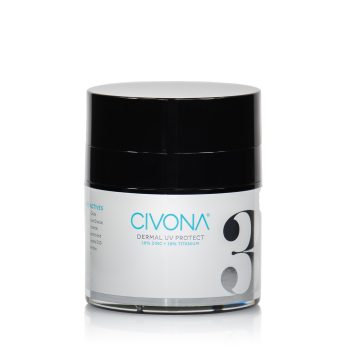
CIVONA
Dermal UV Protection
Optimal cutting edge DNA repair & protection, skin rejuvenation, wrinkle reduction, lightening & hydration. Compounded with platinum calibre Zinc 18% & Titanium Dioxide 18% for ageless skin.
$115 RRP
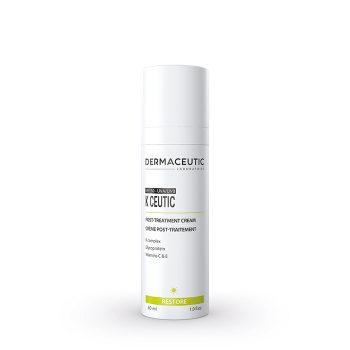
Dermaceutic
K Ceutic
Helps nourish the skin following aesthetic treatments, by soothing the skin and delivering essential nutrients.
$88 RRP
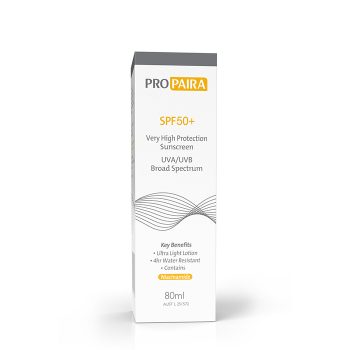
ProPaira
SPF50+
Ultra light lotion. Free of preservatives, nanoparticles, and fragrance. 4 hours Water Resistance. Contains Niacinamide.
$39.95 RRP
What eventuates if nothing is done about it?
Continuous exposure to UV radiation can cause your existing skin conditions to worsen, accelerating visible signs of ageing. With futher sun spots, uneven skin tone, dehydration, wrinkles and fine lines, as well as sagging skin, your skin may appear years older then what it truly is.
Most impeding and dangerous of all, UV exposure can create free radicals within the skin. These unstable molecules can damage healthy skin cells, contribute to inflammation, and affect cellular DNA. And over time, repeated UV damage may increase the risk of abnormal cell changes and skin cancers.
Now is the time to take action before your skin becomes damaged beyond repair.
Let’s start your skin journey to achieving healthy, glowing skin!